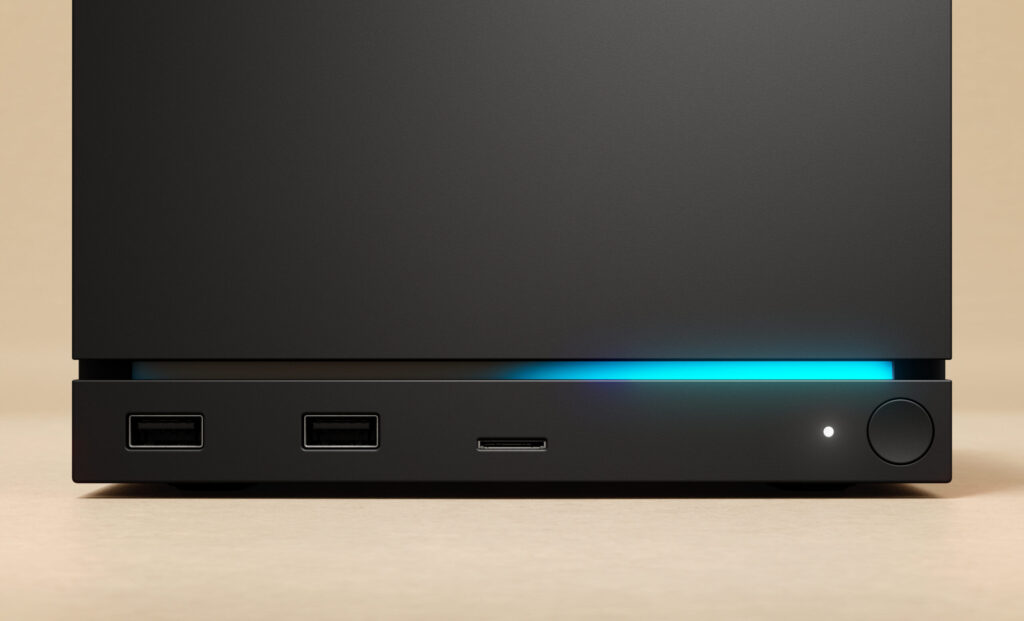
How will the steam machine affect indie games
The Steam Machine Era: What It Means for Indie Game Developers
When Valve first introduced the concept of Steam Machines back in 2013, the gaming world buzzed with possibility. The idea was revolutionary: bring PC gaming to the living room without sacrificing the openness and flexibility that made Steam legendary. Now, as we see renewed interest in console-style Steam hardware, it’s worth asking, what does this mean for indie developers? The answer is more nuanced than a simple yes or no, and honestly, it’s pretty exciting.
Breaking Down the Living Room Barrier
Historically, indie developers faced a significant challenge: the living room console market was dominated by Nintendo, Sony, and Microsoft. Getting your game on a console meant navigating complex approval processes, licensing fees, and hardware partnerships that favored established publishers. PC gaming, particularly through Steam, offered an alternative, but it came with a catch. Most PC gamers were hunched over a desk, not relaxed on a couch.
Steam Machines, in theory, solve this problem elegantly. By bringing SteamOS and Steam’s catalog directly to living rooms worldwide, indie developers gain access to a new audience segment without jumping through the traditional console hoops. Your game doesn’t need a publisher blessing or a formal submission to a hardware manufacturer. If it runs on Steam, it can reach living room gamers.
Console-ization: The Double-Edged Sword
Here’s where things get interesting and a little complicated. As Steam hardware becomes more standardized and console-like, there’s a risk of “console-ization.” What do we mean? The removal of flexibility, the rise of gatekeeping, and the pressure to optimize for specific hardware configurations. For indie developers, this could mean:
- Increased optimization demands: Console development traditionally requires extensive testing on specific hardware. More standardized Steam machines might push indie teams toward similar requirements, which sounds good until you realize smaller studios have limited QA resources.
- Discovery challenges: As the Steam Machine library grows, standing out becomes harder. The store’s discovery algorithm would become even more critical and historically, that’s been a mixed bag for indies.
- Port complexity: Games built for traditional PC might need adjustments for controller-first, living room-optimized experiences. Not impossible, but another layer of work.
The key is balance. Steam Machines can offer console-like convenience without sacrificing the open, developer-friendly ecosystem that made Steam such a nurturing ground for indie creators.
Accessibility: The Real Win for Indie Games
Let’s talk about the most compelling aspect: accessibility. Not just for players with disabilities though that’s crucial but accessibility as in *reaching new players*.
Today, indie game discovery primarily happens through:
- Gaming websites and YouTubers (who mostly cover AAA titles)
- Word-of-mouth and community sharing
- Steam’s featured sections and algorithms
- Social media presence and marketing budgets
Steam Machines introduce a new discovery channel: the living room. Imagine browsing a curated library of games while relaxing on your couch, complete with controller support out of the box. Suddenly, your indie platformer, puzzle game, or narrative adventure is just as accessible as any AAA title. No downloading special drivers, no controller compatibility headaches just immediate, frictionless access.
This is profound for indie developers. Your game isn’t locked behind platform exclusivity requirements. You’re not competing with just other PC games in a sea of 10,000 Steam releases. You’re competing in a more deliberately curated, living-room-friendly ecosystem.
Fulfilling the Original Vision
Valve’s original Steam Machine vision was about democratizing console gaming. The original iterations stumbled as hardware fragmentation confused consumers, and adoption remained niche. But the vision itself was never flawed; the execution just needed refinement.
Today, with improved SteamOS maturity, better hardware partners, and the proven success of the Steam Deck (which essentially validated Valve’s “bring PC gaming anywhere” philosophy), we’re closer to that vision than ever. For indie developers, this means something genuinely special: a path to mainstream living room audiences without the traditional gatekeepers.
What Indie Developers Should Know
If you’re an indie developer watching this space, here’s the takeaway: Steam Machines represent an opportunity, not an obligation. You don’t need to redesign your game for living rooms, but if you have the bandwidth to optimize controller support and test on SteamOS, the potential audience expansion is real.
The accessibility angle is genuine. The lower barrier to entry compared to traditional console development is genuine. And the chance to reach players who prefer relaxed, living-room gaming? That’s where indie games truly shine.
The Steam Machine era isn’t about replacing what already works, it’s about expanding the possibility space for creative developers like you. And that’s exactly the kind of innovation the indie community thrives on.