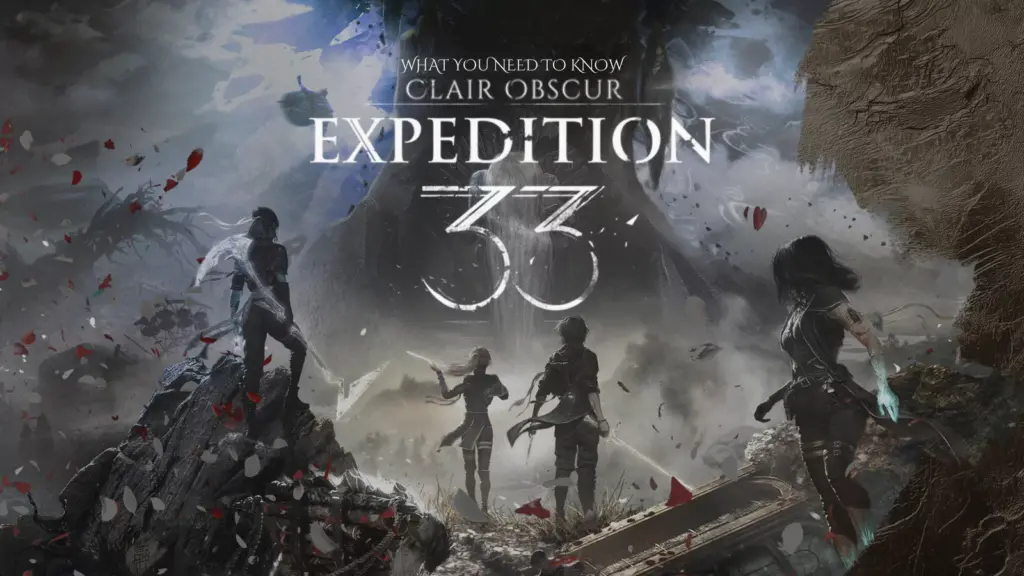
Why Clair Obscur: Expedition 33 Lost Its Game of the Year Award
When Clair Obscur: Expedition 33 launched, it quickly became one of the standout indie releases of the year. Its bold art direction, confident debut, and ambitious scope earned widespread praise, culminating in a Game of the Year win at The Indie Game Awards. That recognition, however, was short-lived.
Within days, the award was revoked, triggering a broader industry conversation about generative AI, creative intent, and how strictly rules should be enforced in a space designed to celebrate human-made work.
The IGAs Nomination Committee is officially retracting Debut Game and Game of the Year, awarding both categories to new recipients. Additionally, we are retracting one of the Indie Vanguard recipients. Full details can be found in our FAQ under Game Eligibility: www.indiegameawards.gg/faq
— The Indie Game Awards (@indiegameawards.gg) 20 December 2025 at 18:45
[image or embed]
The situation did not begin with an investigation or a leak. It began with players.
Shortly after launch, players and artists started sharing screenshots of certain in-game textures that felt visually inconsistent with the rest of the game. When zoomed in, these assets showed artefacts many artists now recognise immediately: warped micro-details, nonsensical symbols, painterly smudging around edges, and repetition that breaks down under close inspection. These are common traits associated with generative image tools.
No datamining was required. The textures were visible through photo mode, paused cutscenes, and high-resolution screenshots. As cropped images circulated on social media, artists weighed in, and suspicion quickly spread. At that point, there was no proof, only pattern recognition.
Confirmation came when Sandfall Interactive acknowledged that generative AI had been used during development. According to the studio, AI-generated textures were created early on as temporary placeholders to help build out sections of the game. These assets were never intended to ship, but a small number were mistakenly included in the final build. Once identified, they were patched out within days.
Sandfall also stated that the use of AI did not feel right creatively and committed to avoiding generative AI in future projects. Their transparency and speed of response were widely praised, but confirmation alone was enough to create a problem.
The Indie Game Awards operate under a strict zero-generative-AI policy. During submission, Expedition 33 had been declared as not using generative AI. Even though the AI use was limited, unintentional, and later removed, the presence of AI-generated assets in the shipped game meant it no longer met eligibility criteria. As a result, both Game of the Year and Debut Game awards were revoked.
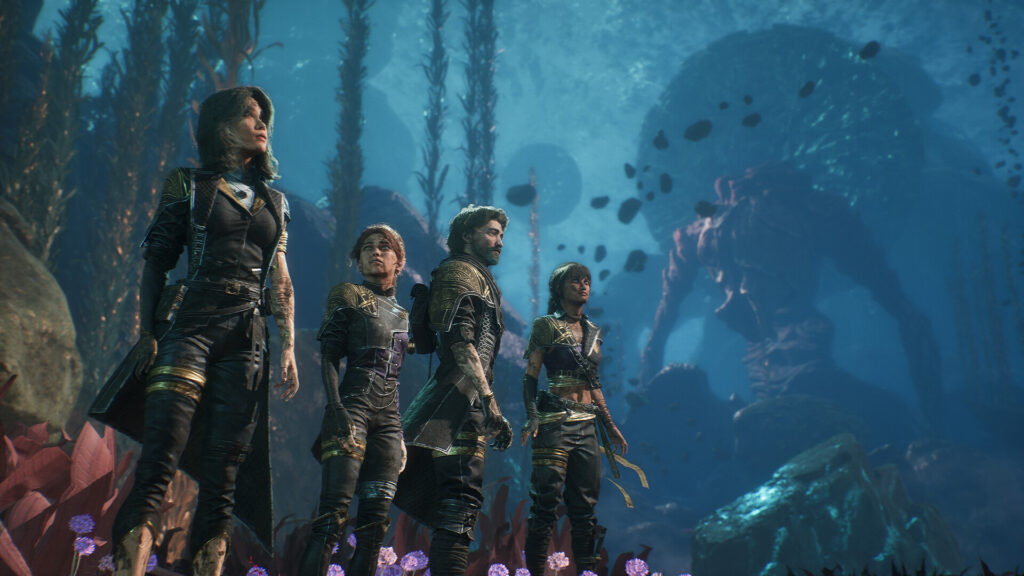
Community reaction was divided but largely measured. Artists and indie developers were the most vocal, arguing that strict enforcement was necessary to protect creative labour and ensure that rules remain meaningful. Fans of the game often expressed disappointment while still understanding why the decision was made. Others criticised the zero-tolerance approach, warning that it risks discouraging transparency and pushing AI use further underground.
Despite the controversy, Sandfall Interactive emerged with its reputation largely intact. There was little sense of bad faith, and the studio’s handling of the situation helped de-escalate much of the backlash.
From an editorial standpoint, the decision to strip Clair Obscur: Expedition 33 of its award feels fair. The rules were precise and clearly communicated. Once those rules were broken, even accidentally, the outcome was inevitable. At the same time, context matters. Everything about the situation points to early experimentation with AI to help build a vertical slice, followed by a genuine attempt to move away from it.
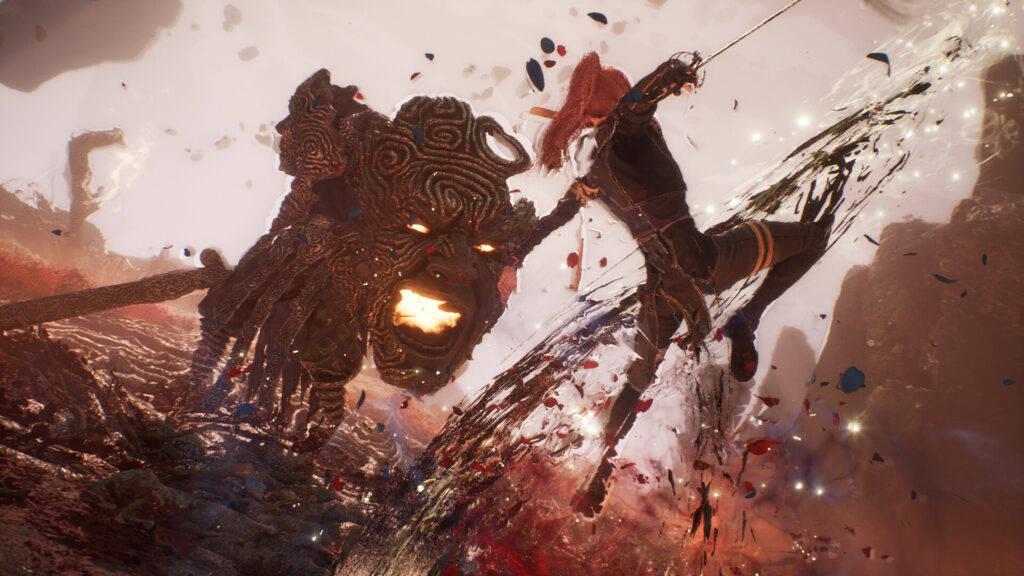
Using generated art to wireframe or greybox ideas is understandable, particularly for a smaller team tackling a project of this scale. Getting a convincing vertical slice together is difficult enough without full art production in place. The logic is clear, even if the execution ultimately failed. Where the line must be drawn is in what ships. Placeholder assets need to remain placeholders.
One of the clearest examples of how players identified the issue can be seen below, where a community member documented how AI-generated textures and a poster visible in the opening area were later replaced with custom assets.
Excellent, the AI generated textures in Clair Obscur were indeed placeholders and were replaced with custom assets. The other AI generated poster that was present in the starting area (don't have a screenshot of it now) was also removed. https://t.co/UQbfLuyj8e pic.twitter.com/5xgqsCmZpC
— Nyanomancer (@nyanomancer) April 30, 2025
This is where comparisons to Larian Studios are often raised, but they need to be handled carefully. Larian have not admitted to using generative AI to create content for Baldur’s Gate 3, nor have they suggested that AI-generated assets shipped in that game.
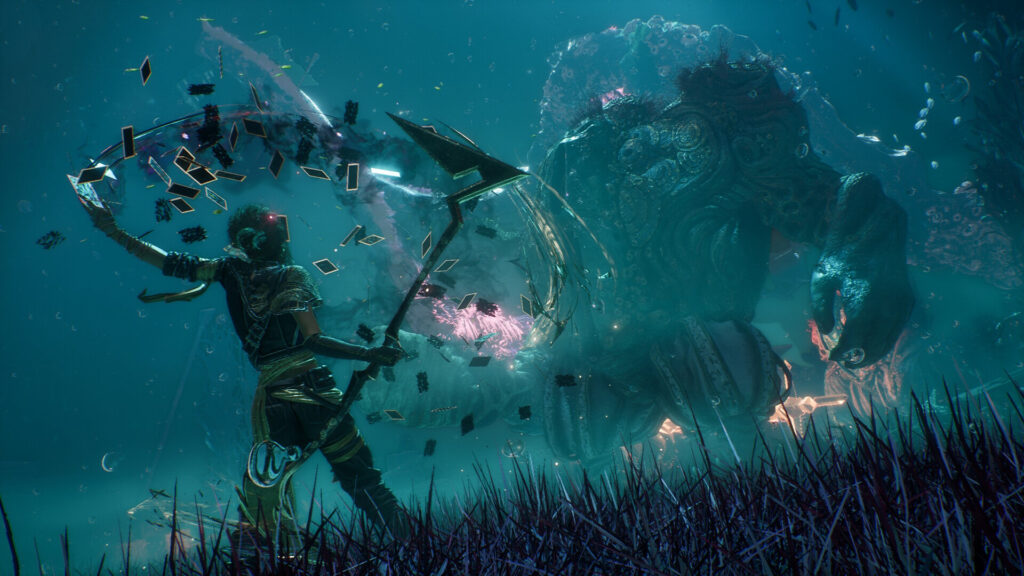
Any public discussion from Larian around AI has been forward-looking and focused on internal tooling for future projects, including their newly announced game Divinity. Those discussions are rooted in lessons learned from earlier development cycles and the challenge of managing massive, branching narratives, not in replacing creative labour.
That distinction matters. Using AI as an internal support system to help manage complexity is fundamentally different from allowing AI-generated assets to appear in a released product. Anything with a huge storyline is hard to track, and using tools to keep that in check is not only reasonable, it is arguably responsible.
AI itself is not the problem. Forgetting where and how it was used is.
The Expedition 33 situation highlights how narrow the margin for error has become. Even limited, accidental AI use can carry real consequences, especially in spaces designed to celebrate human creativity. For indie developers, the takeaway is clear. If the rules say zero AI, they mean zero, regardless of intent.