Interview: Bloody Carnival Talks HAUS, Nightmare Clowns, and a Bug That Refused to Be Filmed
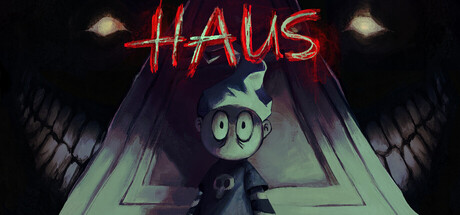
When a game’s origin story starts with a massive clown standing in your bedroom doorway at night, you know sleep is going to be optional.
As part of our coverage of Weird Days: Dark Tales by Warm Light on Steam, we caught up with Agustín Hilal of Bloody Carnival to talk about HAUS, a survival horror game told through the eyes of a child, with a look straight out of a Tim Burton fever dream.
We spoke about turning a nightmare into a game, finding HAUS’s identity after a run of rejections, using a shoelace as a stamina bar, and the bug that only ever appeared when nobody was recording.
Meet Bloody Carnival
HAUS is currently being developed by three people:
- Agustín Hilal, Game Producer (game design, programming, narrative, and marketing)
- Guillermina Reimers, Artist (2D animations, textures, and UI)
- Diego Katabian, Musician (music and SFX)
Agustín and Guillermina met at EVA 2024 in Argentina, where he pitched her the idea for the game. After a couple of months of talking it through, they started working together. A year later, Guillermina met Diego at EVA 2025, and he was instantly all in on doing the sound.
Over time, the three of them have become close friends, not just coworkers.
They’re all based in Argentina and work remotely, with a 900km gap between Agustín and the rest of the team. They get together in person once or twice a year at events.
Quickfire Round
First console/system you ever owned?
The PlayStation 2, which Agustín still has. It accompanied him through his whole childhood and adolescence.
Favourite boss fight of all time?
Orphan of Kos or Ludwig, the Holy Blade from Bloodborne. And this isn’t a casual preference. Agustín has a tattoo of the Holy Moonlight Sword.
That’s commitment.
Go-to snack during crunch?
Sandwiches and soda. Quick and easy.
Pizza topping that must survive the apocalypse?
Probably salami.
One game you’d love to experience again for the first time?
Either Bloodborne or Shadow of the Colossus.
The weirdest or creepiest game that has stuck with you for years?
Growing My Grandpa and Mothered.
The kind of games I think about while doing the dishes and staring at the wall.
We’ve all got a few of those.
Born From a Nightmare
The pitch is short and sharp:
HAUS is the survival horror Tim Burton would have made in the early 2000s.
The origin, however, is far more personal. Agustín has struggled a lot with sleep issues and nightmares, and about three years ago, one of them stuck.
I had a nightmare about a massive clown standing in the doorway of my bedroom, all I could see was the silhouette of his nose, his eyes, and those huge white hands.
He woke up and sketched what he’d seen. Later that day, he looked back at the drawing and asked himself what a game based on it would look like.
It had to be from a child’s perspective. Looking back at the PS2 games and mechanics he grew up with, he settled on survival horror. The Tim Burton aesthetic came later, and it felt like a fresh take on the genre, one that reflected his personality and, eventually, the team members who would join to bring that visual style to life.
The Darkness at the Heart of HAUS
The clown might be the face of HAUS, but the darkness runs deeper than that.
HAUS came to be during probably the worst time of my life; it was an escape.
What started as something closer to a slasher movie slowly began to reflect what was happening in Agustín’s personal life. That’s when the story took shape: a narrative about loss, conflict within a relationship, and the desperate need to turn back time, all experienced through the eyes of a child.
The whole team came together to bring that vision to life as faithfully as possible.
I think we’re really nailing it.
Burton, Expressionism, and Lots of References
Tim Burton’s work is the main inspiration, with some German Expressionism in the mix too. But Agustín is quick to credit Guillermina for nailing the aesthetic, working through a long list of references including Henry Selick’s Coraline, Klei’s Don’t Starve, and American McGee’s Alice.
Lots and lots of references.
The results speak for themselves. As Agustín puts it, the game sells itself through its looks, and that’s all down to her.
Finding HAUS’s Identity
HAUS went through a lot of iterations, and not always by choice. Getting rejected from a couple of mentorship contests forced the team to do some deep soul-searching about what the game actually was.
Around that time, Agustín watched The Walten Files and had a thought: what if they tried 2D cutscenes?
Guillermina made it happen, and it completely transformed the game’s cinematography, giving HAUS its core identity. Playing classic titles also helped the team brainstorm mechanics that deepened the overall gameplay loop.
Sometimes a “no” is the push a project needs.
Not everything came together so smoothly, though. The biggest headache was enemy spawning, which caused plenty of issues once the team tried to make the system more complex so you could run into the clown in a room.
Which, frankly, is the last place anyone wants to run into a clown.
As for how creative decisions get made, someone (usually Agustín) picks a topic and the team sets up a meeting to talk it through. Anyone can pitch or flesh out an idea. Agustín has the final say on what makes it into the game, but gives both Guillermina and Diego full creative freedom in their own areas.
Tie Your Shoelaces
The biggest “aha!” moment came when the team was working out how to show stamina.
Guillermina’s idea? A shoelace.
From there, the idea grew into finding better shoes later in the game that let you run faster. It’s a small detail, but it’s exactly the kind of thing that makes a child’s-eye horror game feel properly grounded in that perspective.
Everyone on the team has their own point of pride. Diego is really proud of the safe room theme, which the team often catches themselves humming while they work. Guillermina is proud of the overall art style and visuals. And Agustín is really proud of the puzzles.
If HAUS had a secret cheat code, it might unlock a custom skin for the main enemy, or a secret funny ending in the spirit of Silent Hill’s famous UFO endings.
We fully support a clown UFO ending.
The Bug That Refused to Be Filmed
Every game has bugs.
Some are reproducible.
Others are haunted.
There was once a bug in HAUS that only ever happened to Guillermina. Nobody ever figured out why, and it disappeared as mysteriously as it arrived.
The best part?
We couldn’t catch it on video, it only ever happened when we weren’t recording or sharing screen.
For a horror game, that’s almost too on brand.
HAUS at Weird Days
For Bloody Carnival, being selected for Weird Days has been genuinely encouraging.
It’s like a reassurance that the game looks nice and fits into the weirdos community and the weirdos all over the world who love Burtonesque.
There isn’t a playable build available during the festival just yet. The team are coming off a few weeks of hard work, events, and personal issues, but the demo should be out really soon, ideally before December if all goes to plan.
In the meantime, Agustín is rooting for fellow selection Imprinted, which he describes as refreshing and weird, and definitely worth checking out.
Before you play, there’s one thing to know. HAUS is very reminiscent of early 2000s survival horror. It’s not hard just for the sake of it, but the controls aren’t built to modern accessibility standards, and that’s an intentional design choice.
If you grew up wrestling with PS2-era horror controls, you’ll feel right at home.
And the feeling they hope players walk away with?
I would like for them to be intrigued about the house and the story behind the characters, we’ll see if it catches the players’ attention as much as it caught ours.
Looking Ahead
For now, it’s all about the main release, which the team are hoping to land sometime in 2027, with the demo arriving very soon.
The dream collaboration? Don’t Starve, or something with Edmund McMillen. That would certainly be a match made in very strange heaven. On the publisher side, they haven’t set their sights on anyone in particular yet.
As for what comes after HAUS, the team aren’t sure yet. They’re focused on finishing this one game and seeing how it goes.
Which seems sensible. One nightmare at a time.
Wishlist HAUS
If HAUS sounds like your kind of nightmare, you can support Bloody Carnival by adding the game to your Steam wishlist. Following them on Instagram also helps a lot, as that’s where they share most of their updates and content.
Steam: https://store.steampowered.com/app/4155380/HAUS/
Instagram: https://www.instagram.com/thebloodycarnival
X / Twitter: https://x.com/BloodyCarnival_
HAUS is shaping up to be a love letter to the PS2 horror era, wrapped in stripes, stitches, and shadows, and built around a clown you’ll really hope isn’t standing in your doorway tonight.